Magic Studio
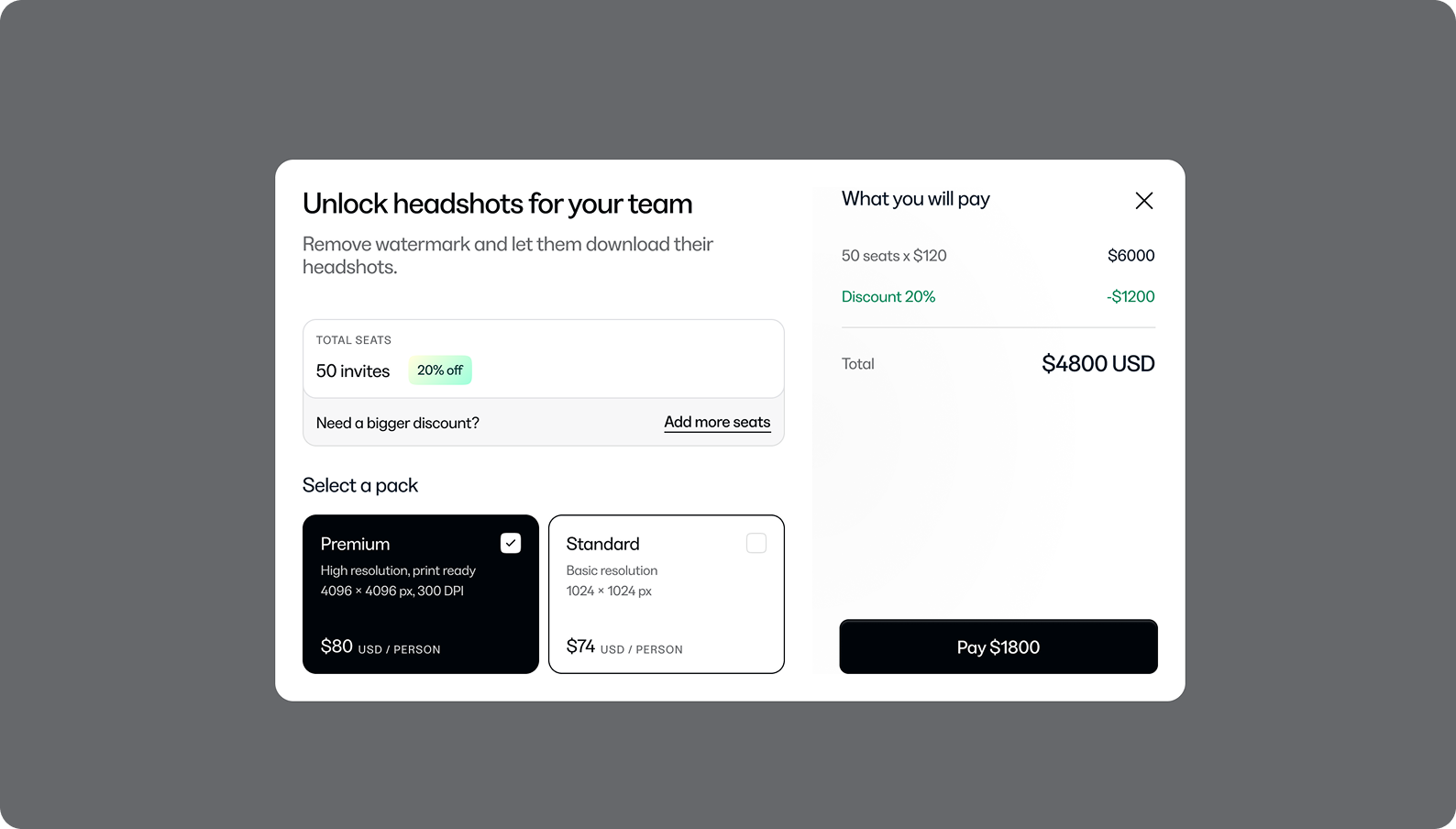
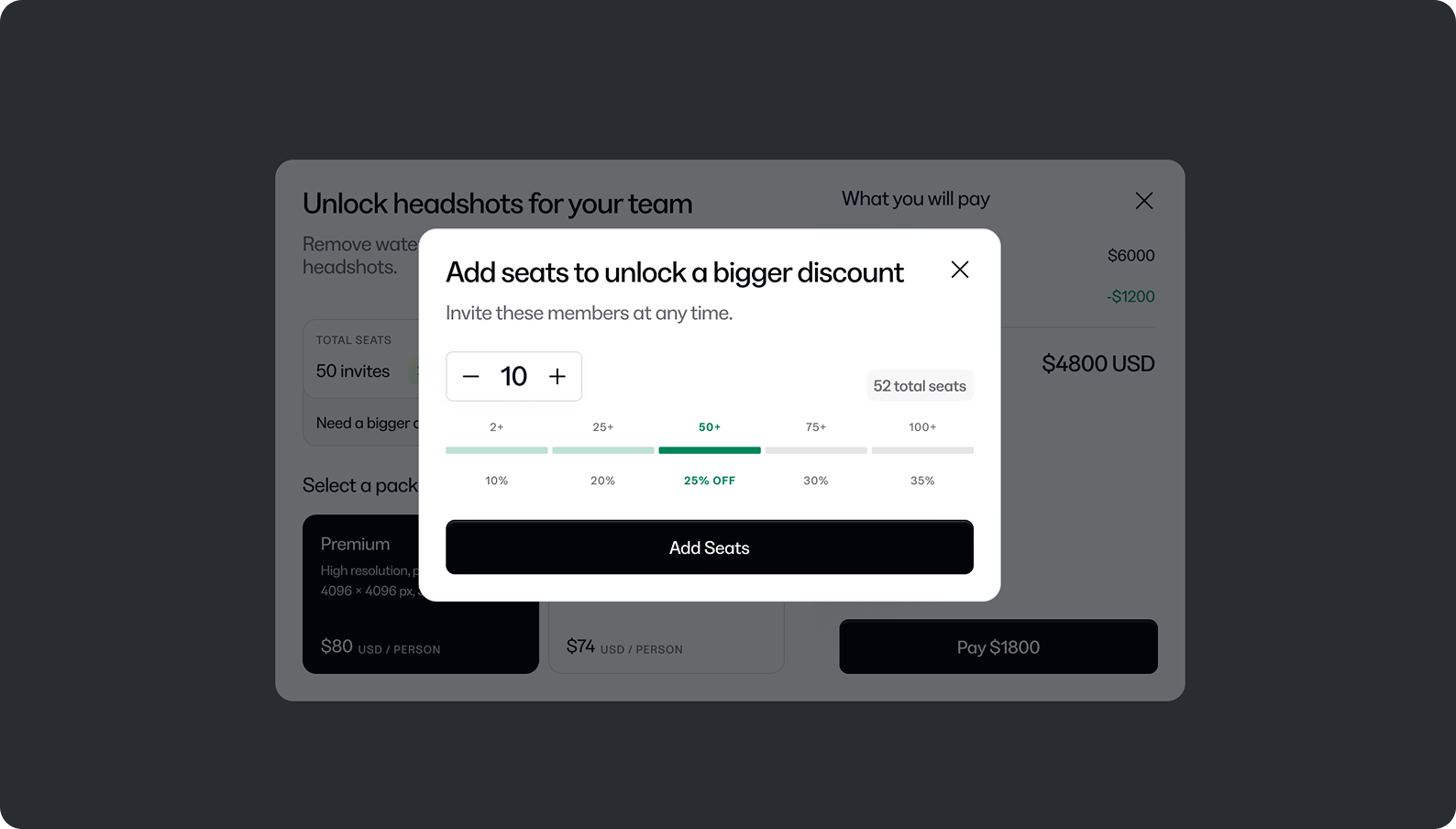
InstaHeadshots for Teams makes AI headshots for an entire staff. The redesign moved the money to the end: invite everyone free, everyone previews fifty headshots, and one payment unlocks the team.
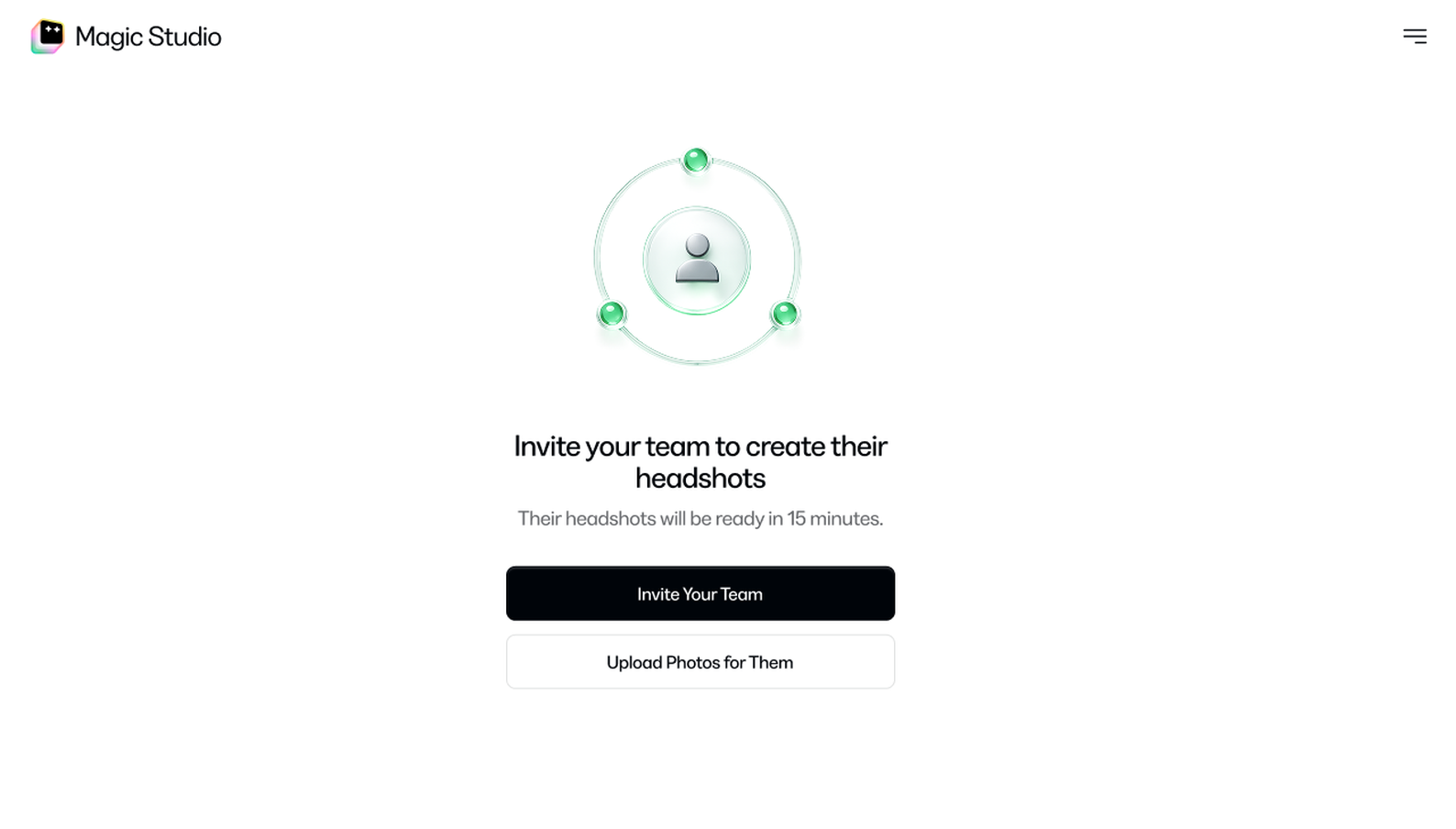
01 — Zero state
Two CTAs of equal weight: invite people to upload their own photos, or upload on their behalf. Both are real jobs, an HR lead inviting eighty people and an assistant doing three executives who’ll never log in themselves. The old flow only supported the first and buried it, so admins who needed the second gave up here. This screen decides whether a team ever gets built, so it asks one question and offers two honest answers.
the problem
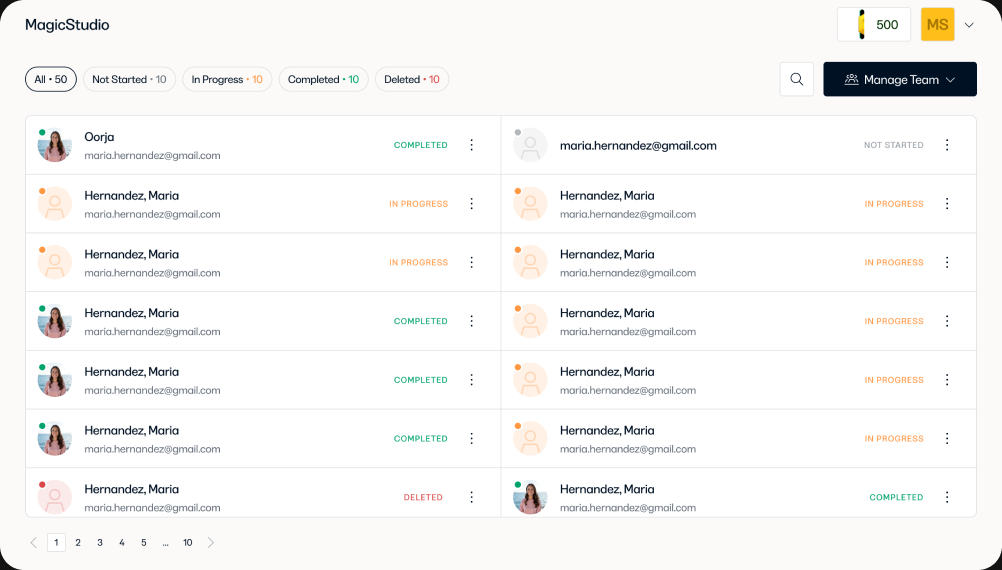


Every row looks the same

Invite hidden

tabs are the only filter

Every row looks the same

Invite hidden
tabs are the only filter

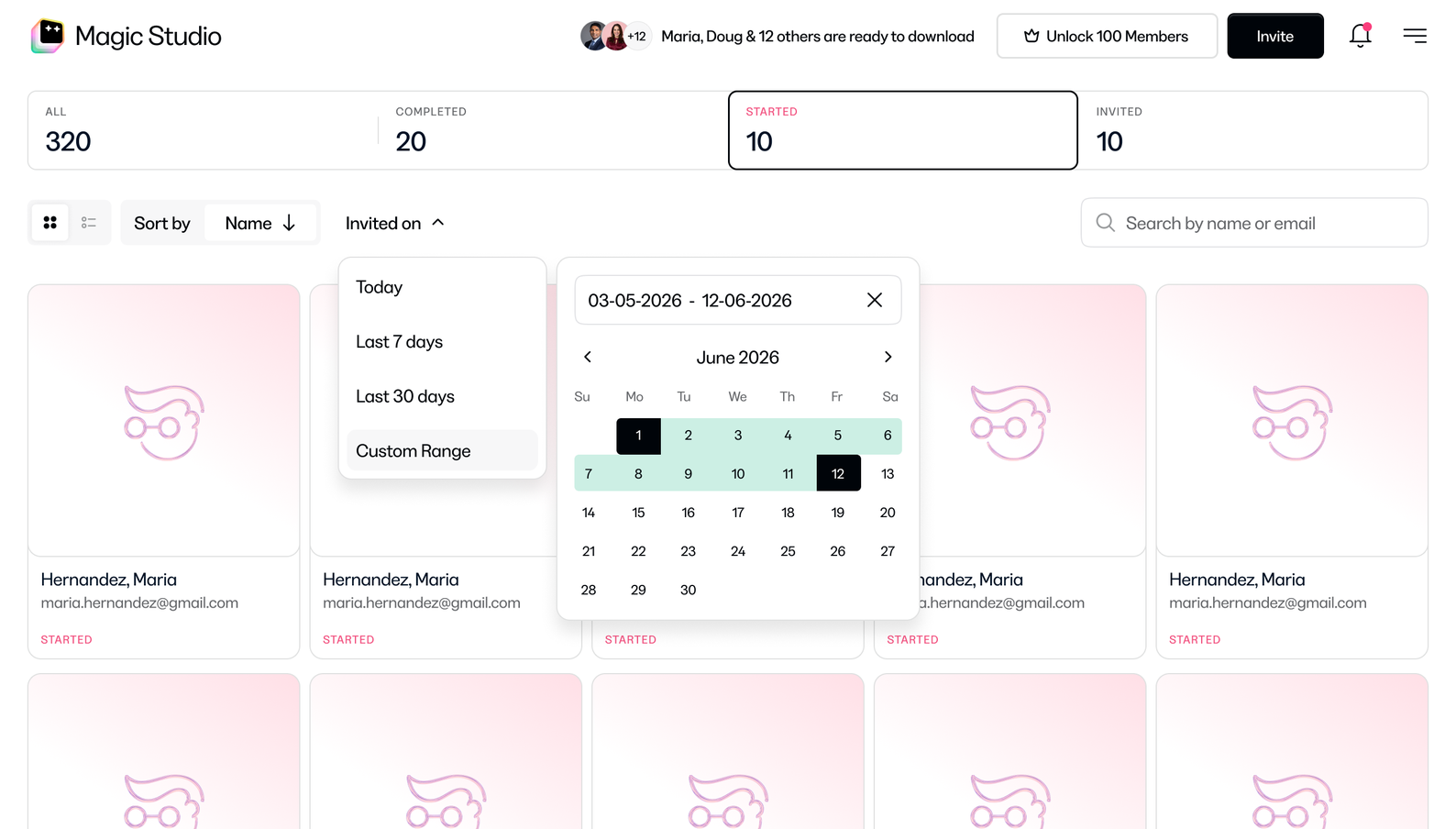
Five status tabs and a search box. No filters. No sorting at all.

Multiple rows of email and status. Not optimised for very large teams.

Built to manage a team, not experience the product.
the after
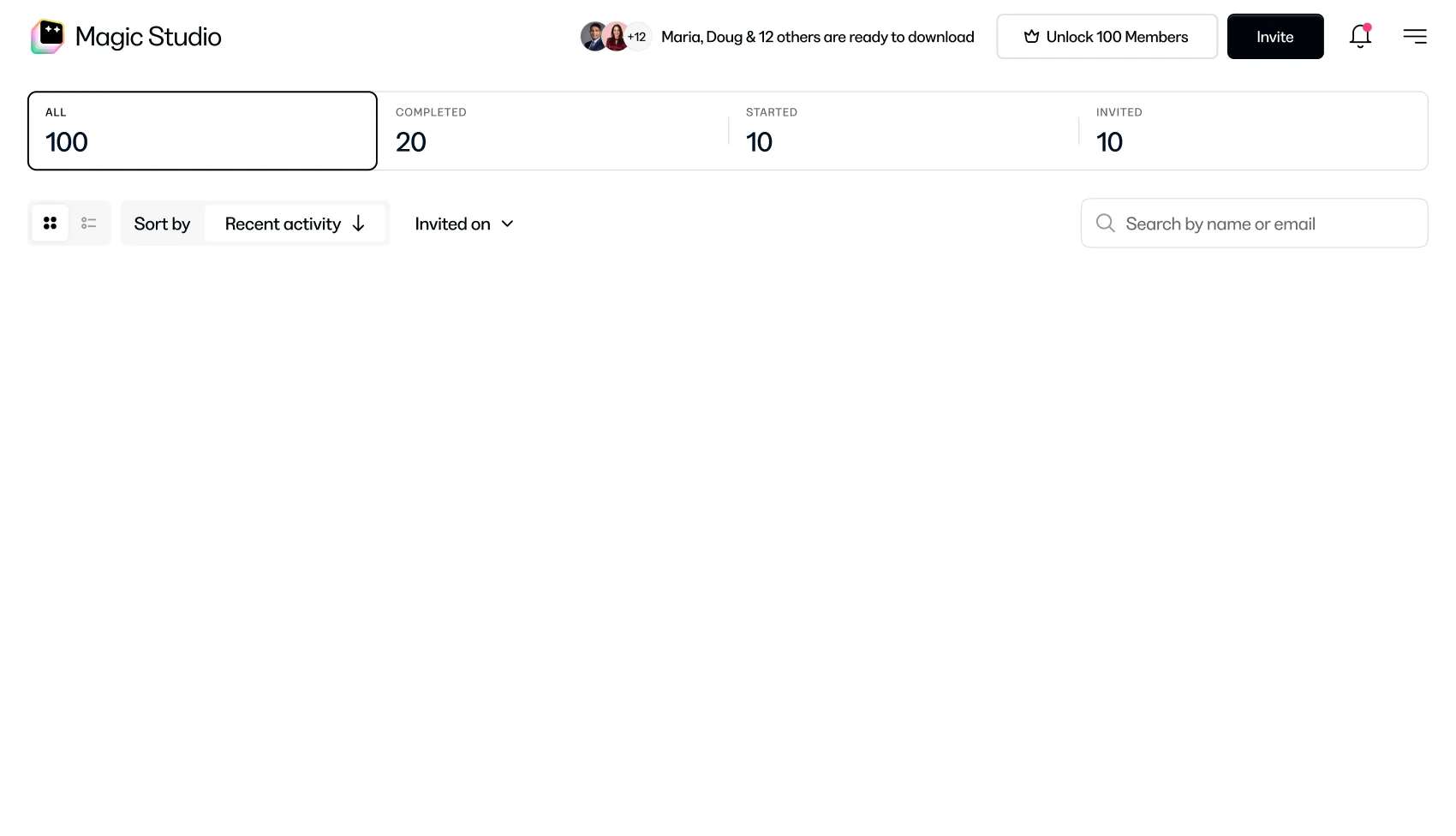














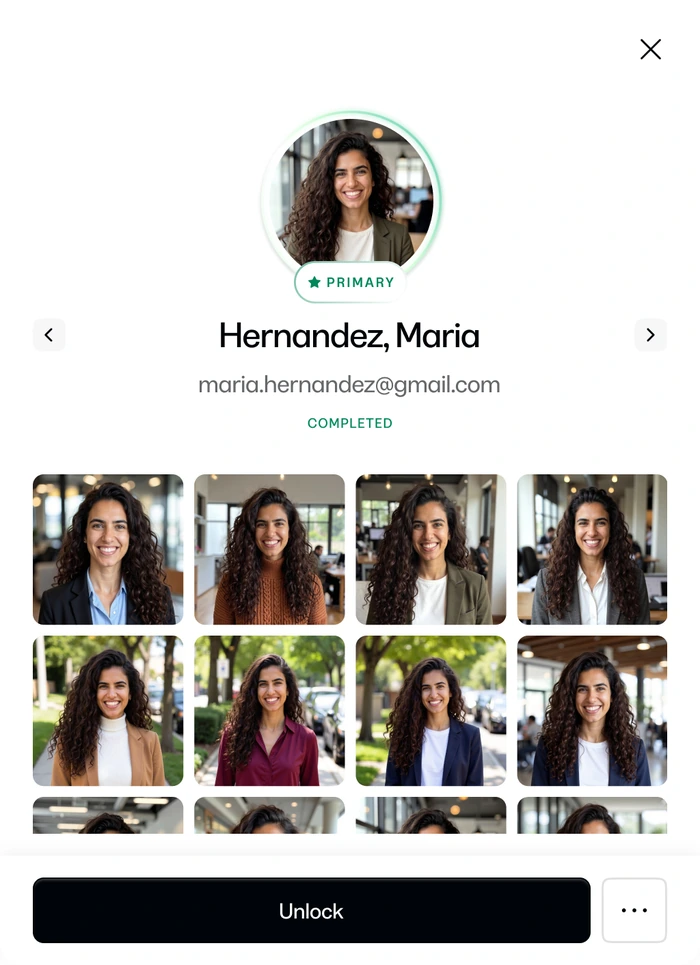
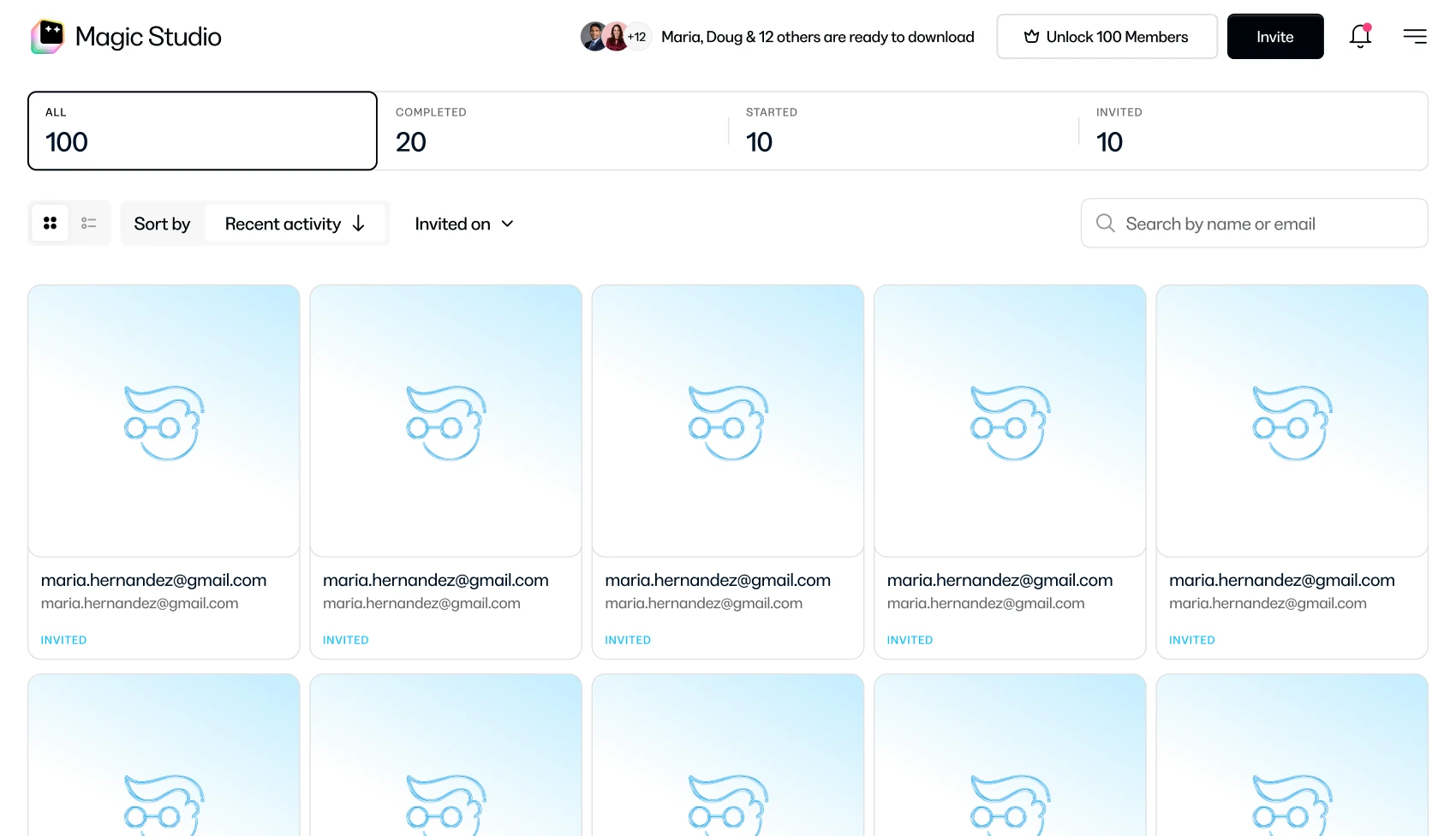
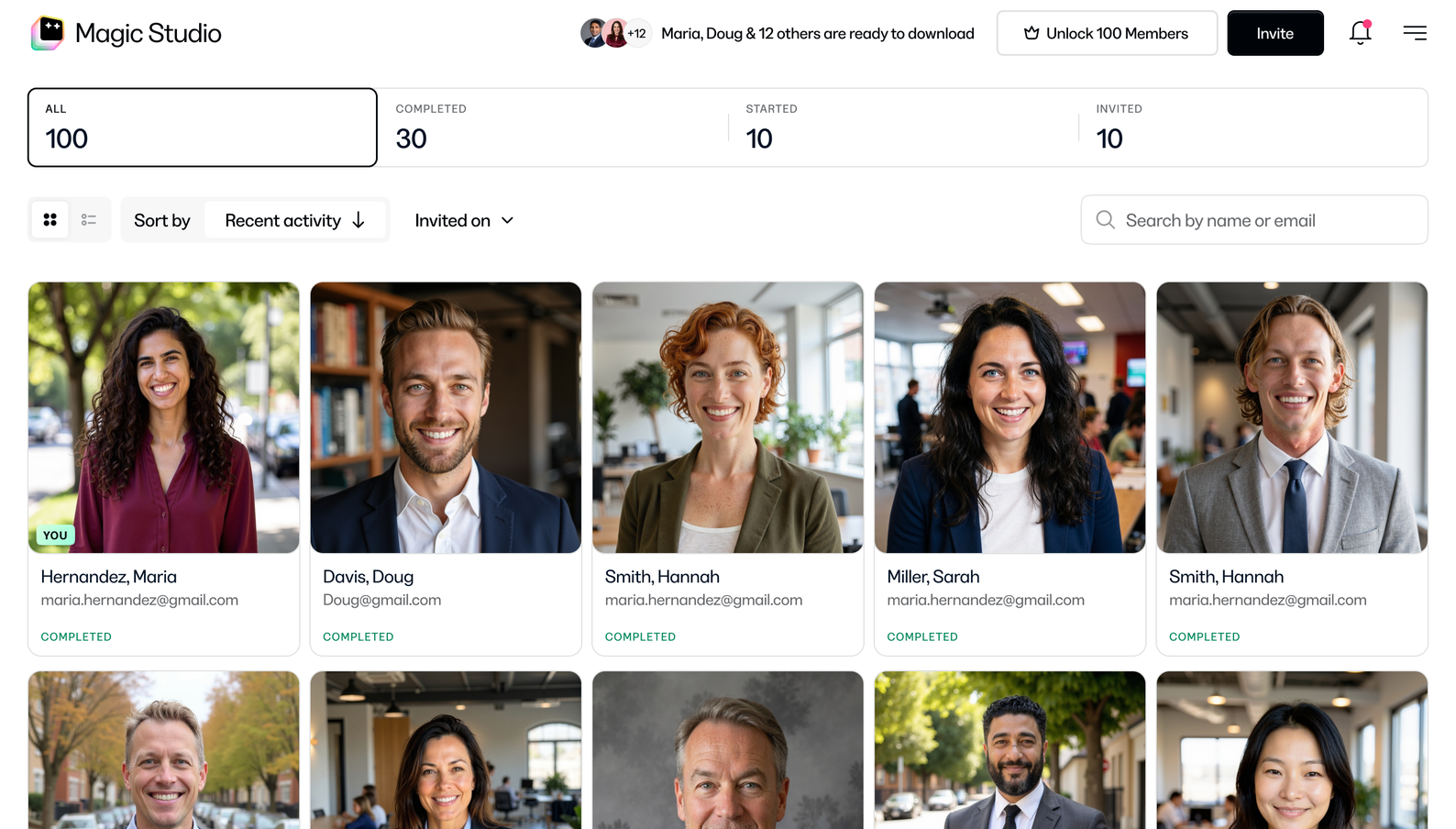
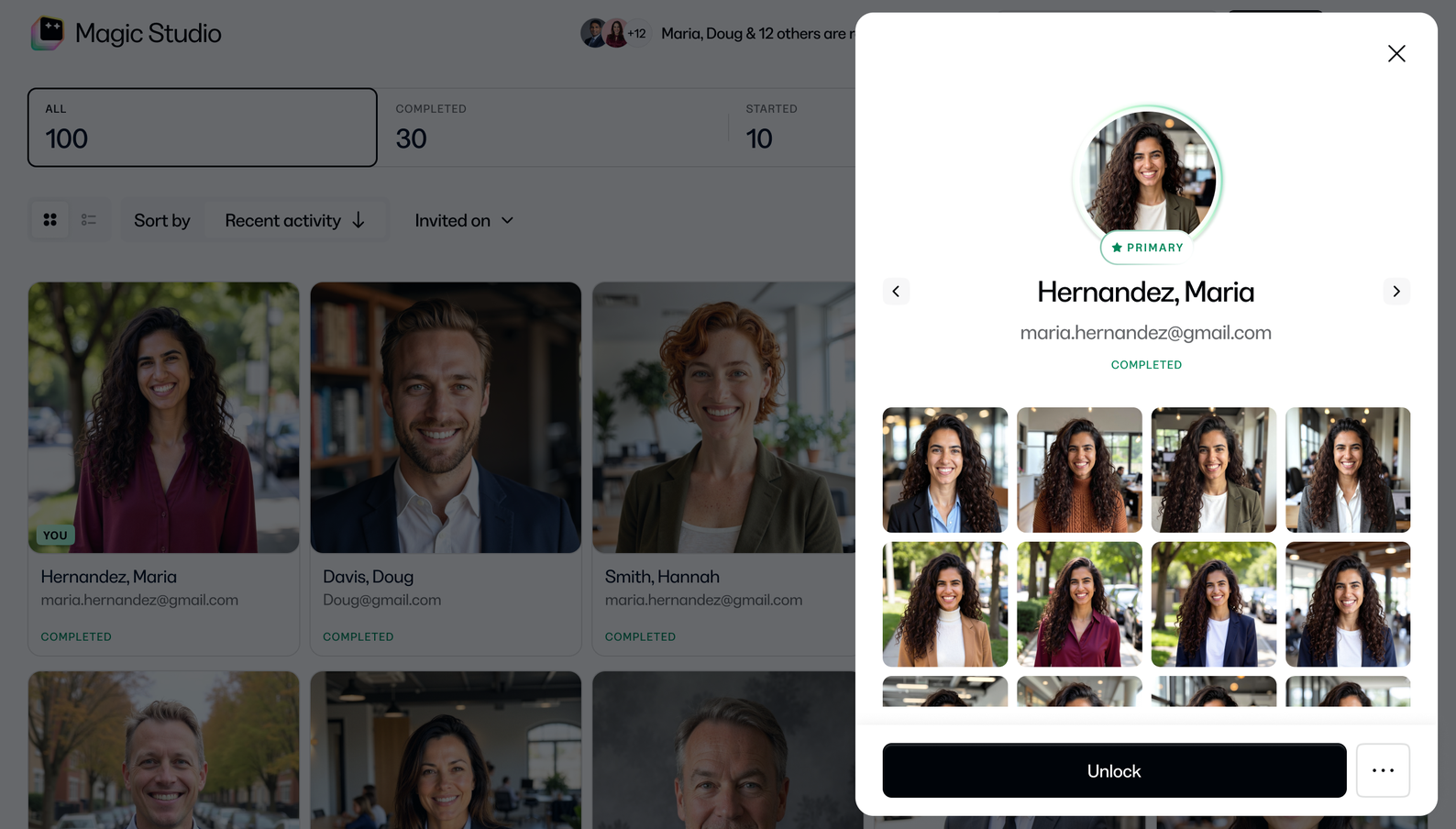
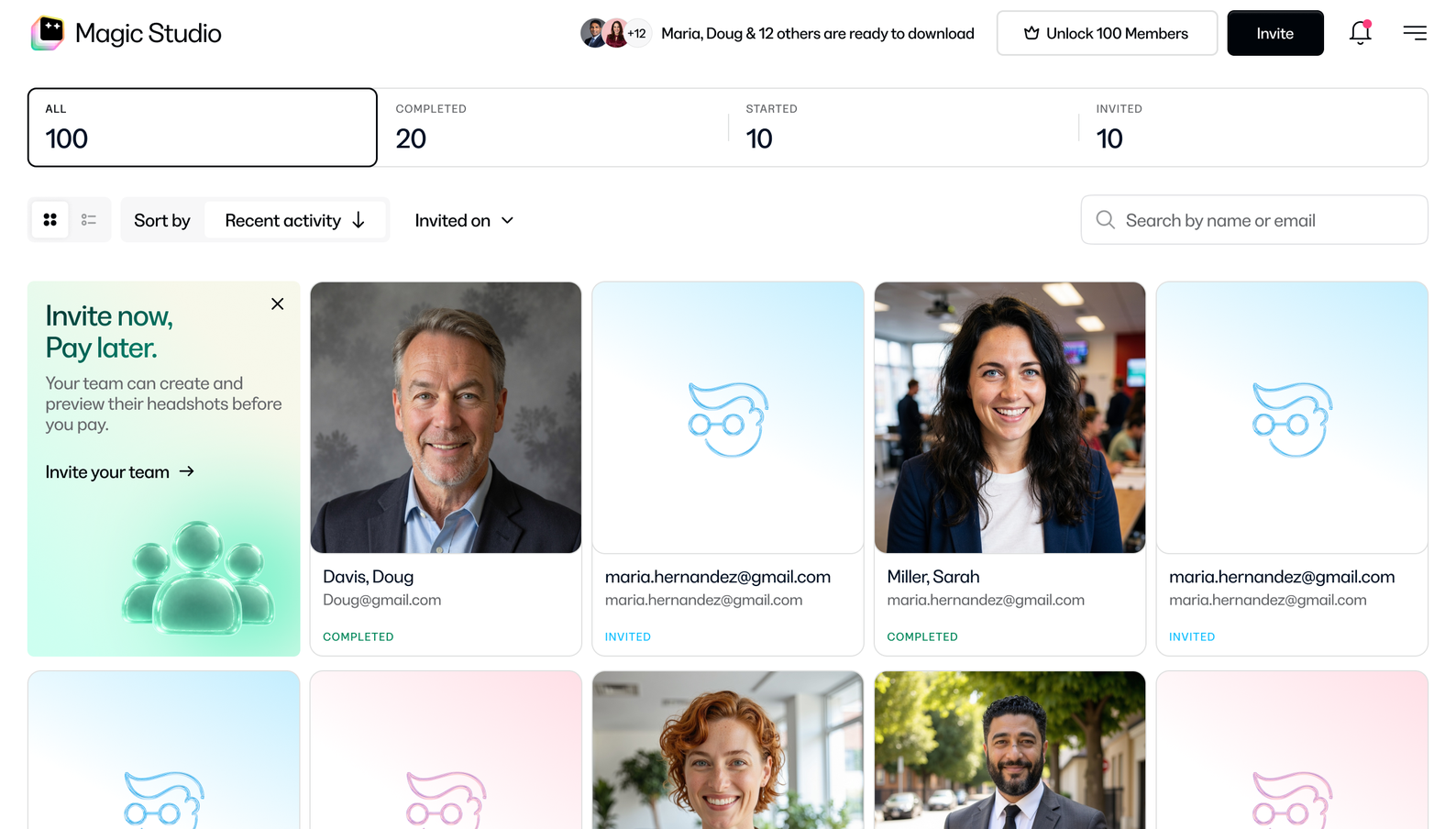
The model flipped: invite the whole company for free, everyone generates fifty headshots, and the admin pays once, for the team, never per person, after the previews are already on screen.
So the dashboard is built to fill a team, not manage one. It’s image-first, a member is a face, not a row, so an admin reads fifty people the way they’d read a contact sheet. A ticker along the top carries reactions as members finish, so the screen shows people liking what they got. One surface holds a team of five or a company of five hundred, with more control for enterprise.
What it changes for the product
The dashboard stopped being a place to manage a team and became the reason one gets built. Every invite is another person generating, and the product only works when people are in it.